


Top 10 Mistakes You Can Make When Staging a Home
Good staging is not about making a home look expensive. It is about making the home easy to understand.
Buyers need to see the size of each room, the natural light, the storage, the traffic flow, and the lifestyle the property can support. If staging gets in the way of those things, it can weaken the first impression before a showing even starts.
The National Association of Realtors 2025 Profile of Home Staging found that 83 percent of buyers’ agents said staging made it easier for buyers to picture a property as their future home. Sellers’ agents also reported that the most common pre-listing recommendations were decluttering, cleaning the entire home, and improving curb appeal.
That is the heart of staging. It helps buyers focus on the home instead of the seller’s belongings.
Here are ten staging mistakes to avoid before listing.
1. Leaving Too Much Clutter in Place

Clutter makes rooms feel smaller, busier, and harder to photograph. Even useful everyday items can read as visual noise once they are captured in listing photos.
Before photos, edit surfaces aggressively. Clear counters, nightstands, bathroom vanities, entry tables, desks, shelves, and the top of the fridge. Keep only the items that help define the room, add warmth, or show scale.
The goal is not an empty house. The goal is a calm house.
2. Making the Home Feel Too Personal
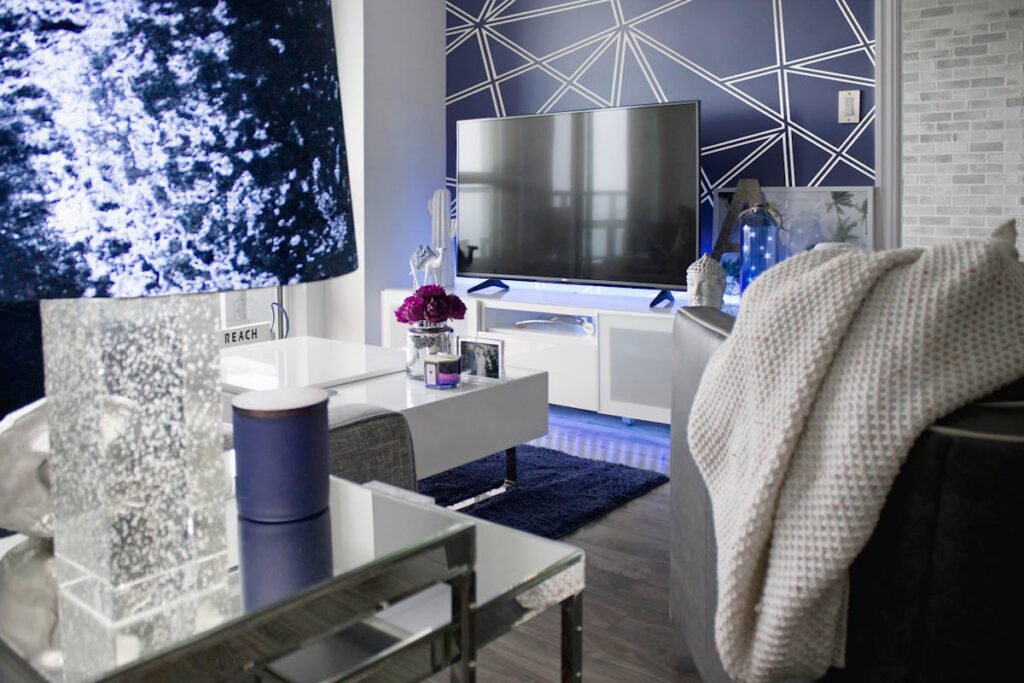
A home can be beautifully decorated and still be too personal for sale. Family photos, hobby collections, strong theme rooms, religious items, diplomas, awards, and highly specific decor can all pull attention away from the property.
Buyers should remember the floor plan, the windows, the kitchen, the yard, and the feeling of the space. They should not spend the showing thinking about who lives there now.
Keep warmth and character, but simplify the personal story.
3. Ignoring Light
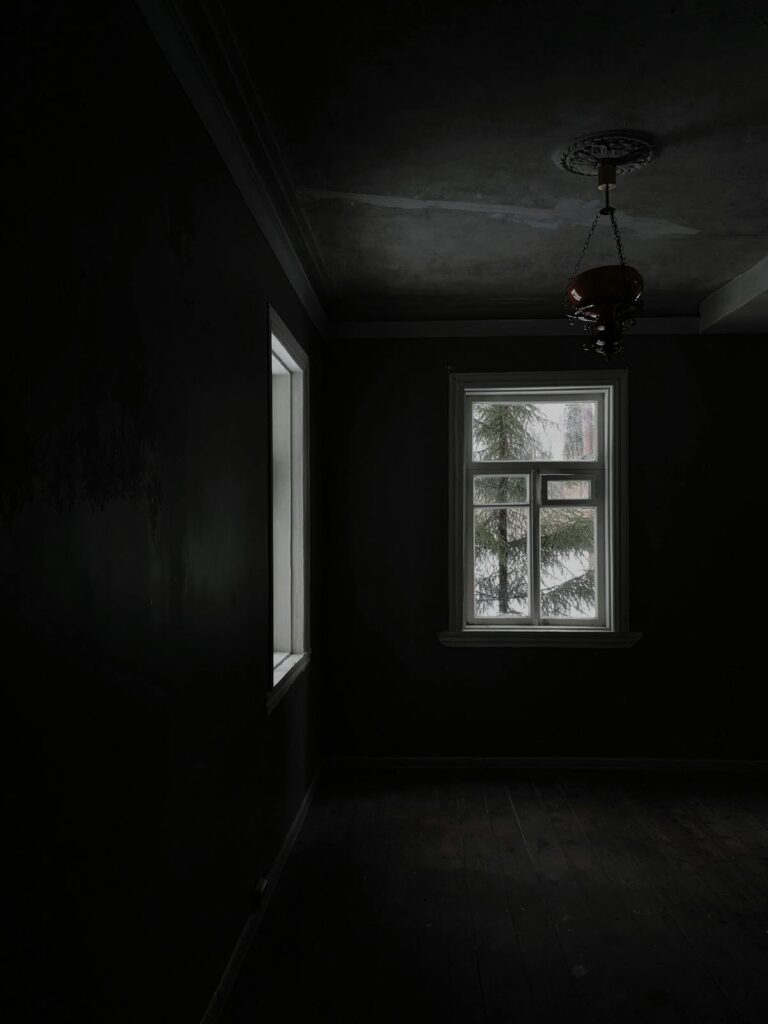
Dark rooms feel smaller online and in person. Heavy window coverings, burnt-out bulbs, mismatched light temperatures, dusty fixtures, and blocked windows can all make a home feel less inviting than it really is.
Before showings, clean the windows, open the coverings, trim anything outside that blocks light, and replace weak bulbs with bright, consistent bulbs. Use lamps where overhead lighting is harsh or uneven.
Light is one of the least expensive staging tools, and one of the most important.
4. Leaving Rooms Empty
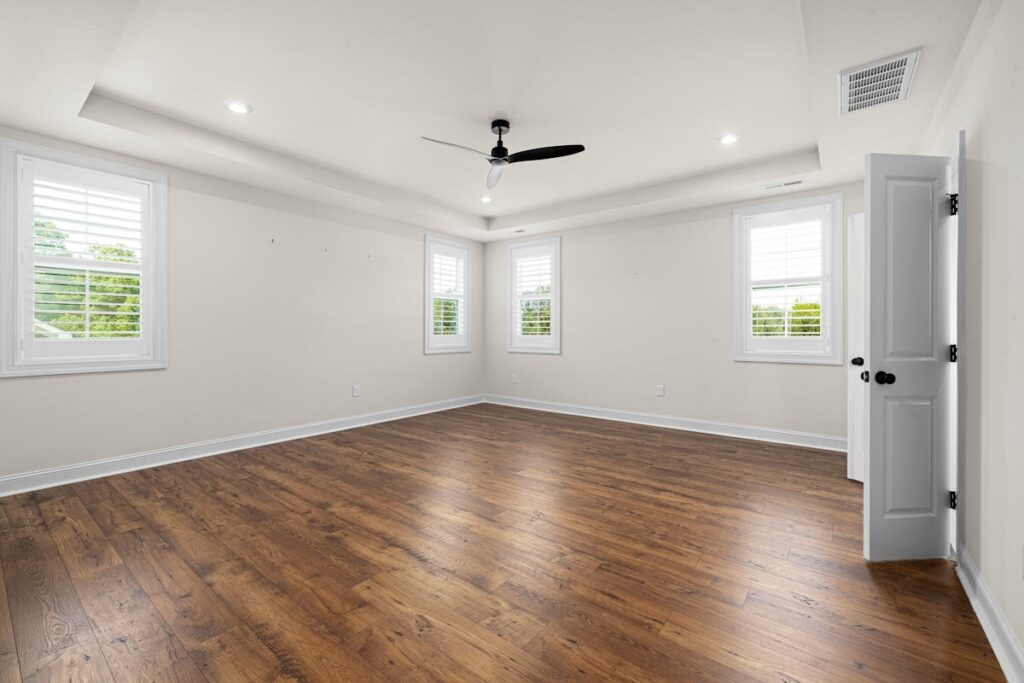
Empty rooms are not always easier for buyers to imagine. Without furniture, many buyers struggle to understand scale, layout, and purpose.
This is especially true for open-concept spaces, small bedrooms, awkward dens, and lower-level rooms. A few well-chosen pieces can show where the sofa goes, how a bed fits, or how a corner can work as a home office.
If full staging is not practical, stage the key rooms first: living room, primary bedroom, kitchen, dining area, and entry.
5. Using Furniture That Is the Wrong Scale
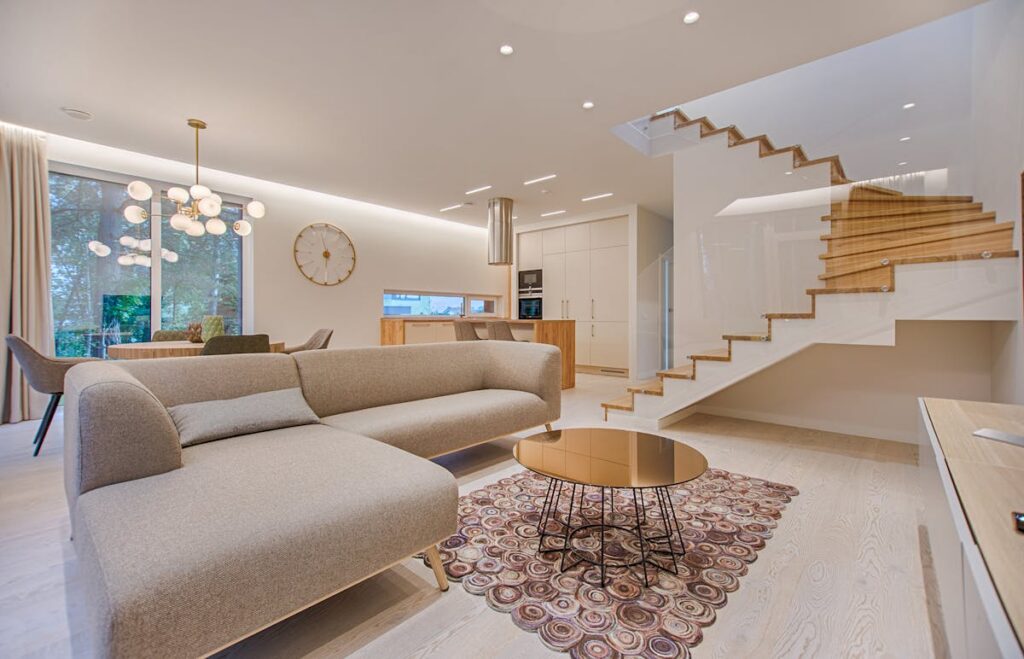
Furniture can either clarify a room or distort it. Oversized sectionals can make a good living room feel cramped. Tiny furniture can make a room feel awkward and underused. Too many pieces can block sightlines and make traffic flow feel tight.
When staging, choose furniture that fits the room and leaves clear walking paths. Pull pieces away from the walls where appropriate, define conversation areas, and make sure the main feature of the room is easy to see.
Scale matters more than style.
6. Forgetting the Kitchen Has to Feel Ready
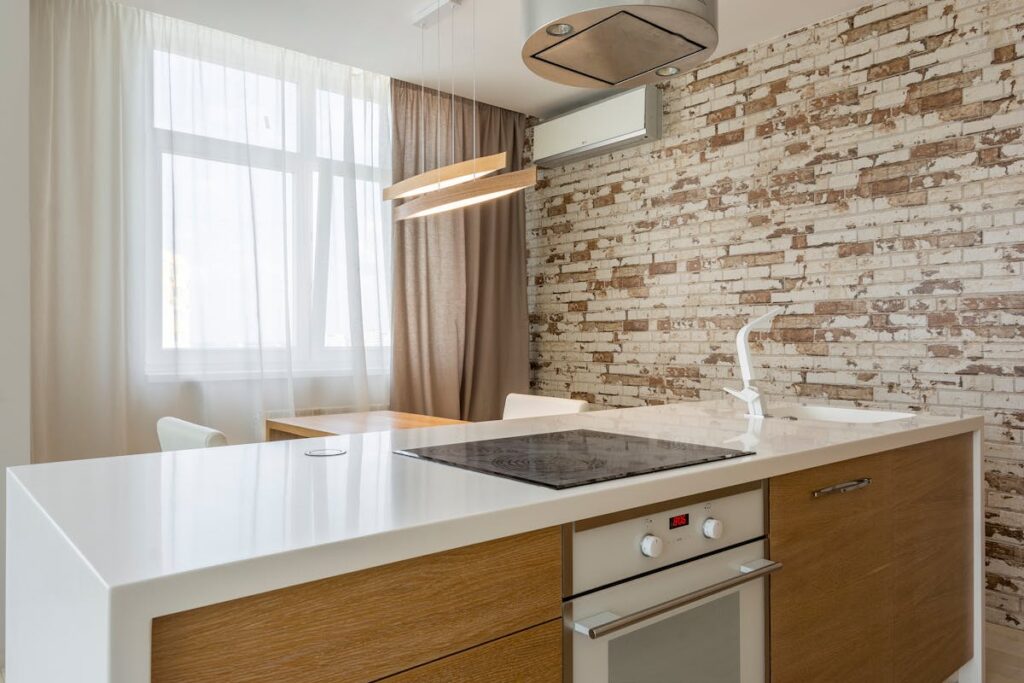
The kitchen is one of the hardest working rooms in a listing. Buyers look at counter space, storage, cleanliness, appliance condition, lighting, and how the kitchen connects to daily life.
Do not leave small appliances, paperwork, dish soap, magnets, pet bowls, garbage bins, or a crowded coffee station in the frame. Clean the sink, polish hardware, wipe cabinet fronts, and make the counters look as generous as possible.
A staged kitchen should feel practical, clean, and easy to move into.
7. Treating Bathrooms Like an Afterthought
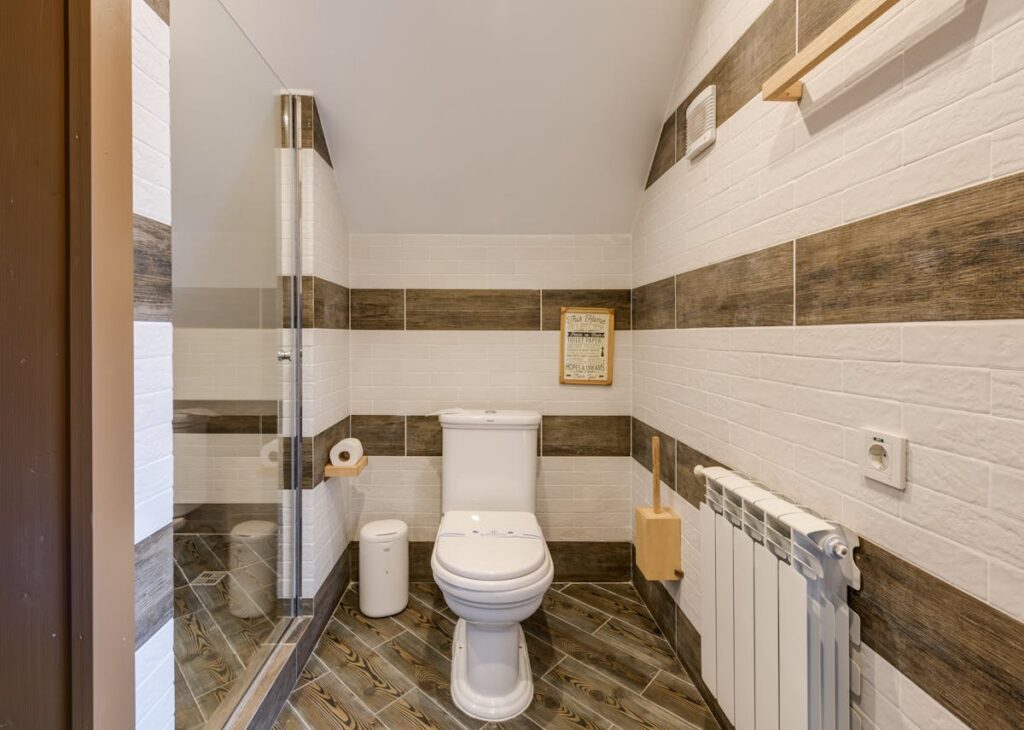
Bathrooms need to feel fresh. Even a well-maintained bathroom can look tired if the grout is stained, the mirror is streaked, the shower glass is cloudy, or the vanity is full of personal products.
Remove almost everything from the counter. Replace worn towels, clean the fan cover, clear the shower, empty the garbage, and check the caulking. If the room is small, keep the staging minimal and let cleanliness do the work.
Buyers are sensitive to bathrooms because they are personal spaces. Do not give them a reason to pause.
8. Neglecting Curb Appeal

The showing starts at the curb. Long grass, tired planters, dirty siding, faded doors, loose railings, cluttered porches, and messy walkways can set the wrong tone before the buyer reaches the front door.
Focus on the simple items first: mow, edge, sweep, weed, wash the windows, clean the front door, replace the mat, and remove anything that does not belong near the entry.
Great curb appeal does not have to be elaborate. It has to look cared for.
9. Staging Around Moving Boxes
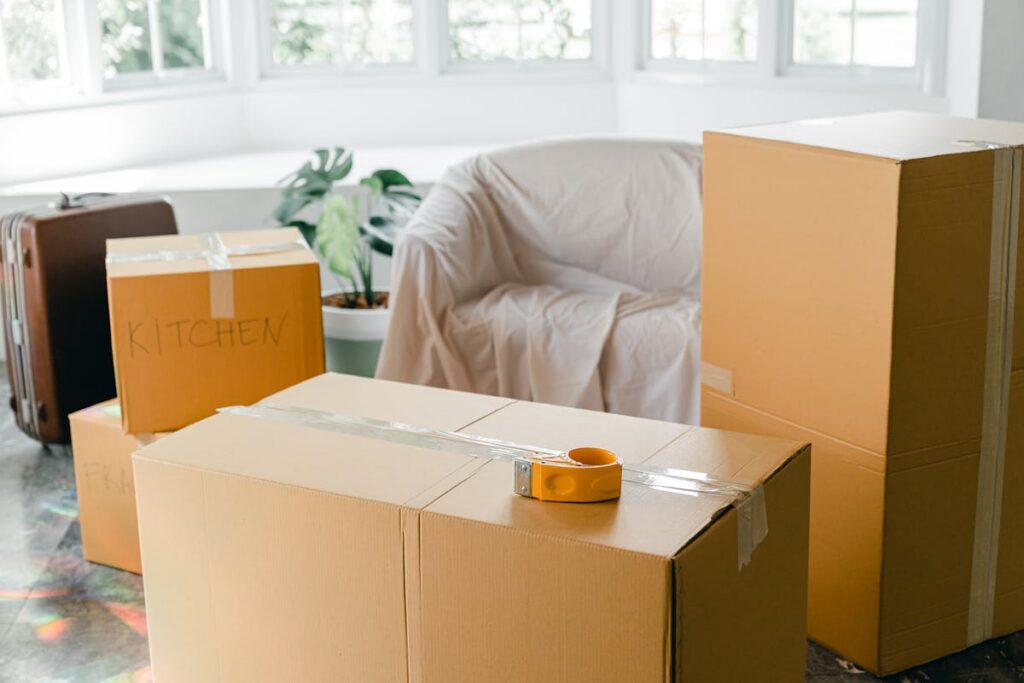
Packing is part of selling, but moving boxes should not become part of the staging. Boxes in corners, closets, basements, garages, and spare rooms make storage look tight and can make the sale feel rushed.
Pack early, then move packed items off-site if possible. If that is not practical, contain boxes in one neat area that will not be central to the photos or the showing route.
Buyers should feel the home is ready for them, not halfway out the door.
10. Skipping Small Repairs and Paint Touch-Ups
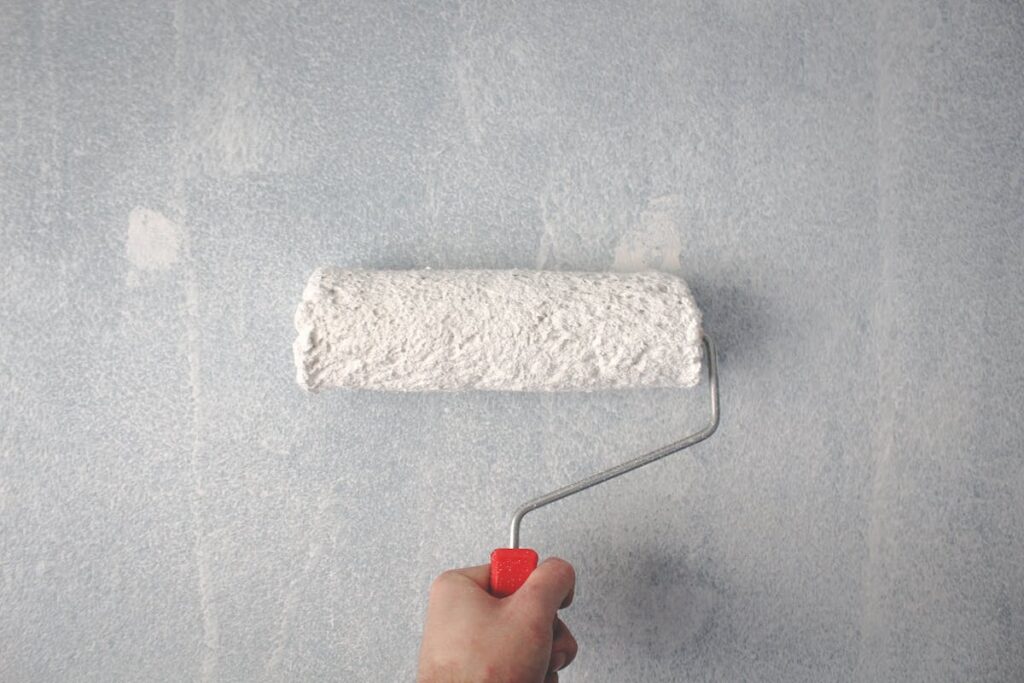
Staging cannot hide deferred maintenance for long. Scuffed walls, loose handles, chipped trim, damaged screens, missing switch plates, stained ceilings, dripping taps, and squeaky doors all send the same message: there may be more work here than expected.
Take care of the visible basics before photos. Patch holes, touch up paint, tighten hardware, replace burnt-out bulbs, fix obvious leaks, and repair anything that a buyer will notice within the first few minutes.
Small issues can create oversized doubt.
The Best Staging Feels Simple
The best-staged homes do not feel staged in a theatrical way. They feel clean, bright, easy to move through, and easy to imagine.
That is especially important in a market where many buyers first experience a property through photos. If the online impression is cluttered, dark, too personal, or confusing, some buyers may never book the showing.
Before you list, walk through the home like a buyer. Look at the entry, the sightlines, the light, the storage, the main rooms, and the first photo angle in each space. Anything that distracts from the property should be edited, cleaned, repaired, or simplified.
Thinking About Selling
If you are preparing to sell in Collingwood, the Blue Mountains, Thornbury, Meaford, or the surrounding Southern Georgian Bay area, staging should be part of the listing strategy from the start.
The Egan Team can help you decide what to edit, what to repair, what to stage, and where to focus before photography and showings.
Contact Egan Team